
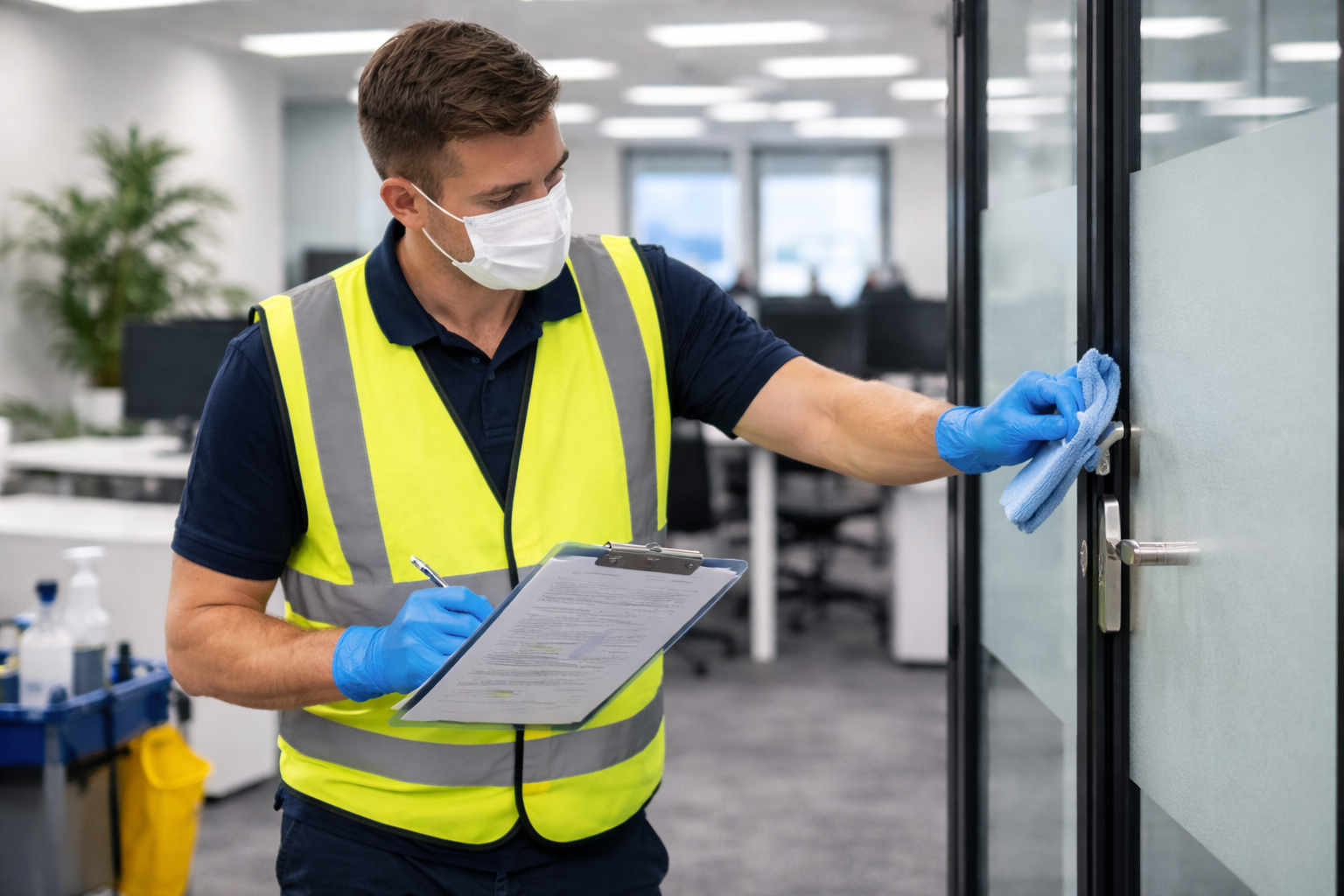
Health inspections can feel stressful — but with the right preparation, they don’t have to be.
In Australia, workplace health inspections are typically conducted to ensure compliance with Work Health and Safety (WHS) regulations, hygiene requirements, and industry-specific standards. Whether you operate an office, medical clinic, warehouse, retail store or food-based business, maintaining documented cleaning procedures and a safe environment is essential.
This guide explains what inspectors look for, how to prepare properly, and how professional cleaning support can reduce compliance risks.
Why Health Inspections Matter
Health inspections are designed to confirm that your workplace:
- Is hygienic and safe for staff and visitors
- Minimises infection risks
- Manages hazards appropriately
- Complies with WHS obligations
- Follows industry-specific regulations
Failure to meet standards can result in warnings, fines, improvement notices, or in serious cases, business disruption.
Proactive cleaning and maintenance — particularly through structured commercial cleaning services — significantly reduce the risk of non-compliance.
What Inspectors Typically Check
Health inspectors focus on risk areas. While requirements vary by industry, common inspection points include:
- Cleanliness of Work Areas
Inspectors will assess:
- Floors (free from spills, debris and trip hazards)
- Workstations and desks
- High-touch surfaces (door handles, switches, shared equipment)
- Dust build-up
- Air vents and ventilation
Routine office cleaning services help maintain compliance in standard commercial environments.
- Bathrooms & Wash Facilities
Bathrooms must be:
- Hygienic and sanitised
- Stocked with soap and paper products
- Free from odours
- Properly maintained
Unclean amenities are one of the most common inspection failures.
- Kitchens & Food Preparation Areas
For workplaces with kitchens or food handling areas, inspectors look at:
- Surface sanitisation
- Fridge cleanliness and temperature control
- Proper waste disposal
- Pest control measures
- Safe chemical storage
Food-based businesses have stricter hygiene obligations and should follow documented cleaning schedules.
- Waste Management
Inspectors may review:
- Frequency of rubbish removal
- Safe disposal of hazardous materials
- Recycling procedures
- Waste storage areas
Overflowing bins or poor waste management can quickly raise compliance concerns.
- Chemical Handling & Storage
Cleaning products must be:
- Clearly labelled
- Stored safely
- Supported by accessible Safety Data Sheets (SDS)
- Used according to manufacturer guidelines
Professional cleaning providers operate under these requirements as standard practice.
- Documentation & Cleaning Records
Many businesses overlook this — but documentation matters.
Inspectors may request:
- Cleaning schedules
- Maintenance logs
- Incident reports
- Risk assessments
- Evidence of hazard control procedures
Having a structured cleaning plan in place through a reputable provider like Royce Cleaning ensures documentation aligns with compliance expectations.
Step-by-Step: How to Prepare for a Health Inspection
Step 1: Review Your Cleaning Schedule
Ensure your workplace has:
- Daily cleaning tasks
- Weekly deep-clean items
- Monthly maintenance checks
If your cleaning is irregular or reactive, this is a risk area.
Step 2: Conduct an Internal Walkthrough
Before an inspection:
- Walk through your premises as if you were the inspector
- Check high-touch areas
- Inspect bathrooms and kitchens
- Look for dust build-up
- Check emergency exits are clear
Small oversights are often what inspectors notice first.
Step 3: Address Maintenance Issues Early
Health inspections don’t only focus on visible dirt. They also consider:
- Damaged flooring
- Broken fixtures
- Leaks or mould
- Ventilation issues
Cleaning and maintenance should work together to reduce risks.
Step 4: Organise Documentation
Ensure you can easily access:
- Cleaning logs
- Contractor agreements
- Pest control records
- Safety Data Sheets
- WHS policies
Well-organised documentation demonstrates proactive management.
Step 5: Book a Professional Deep Clean (If Needed)
If your workplace has not had a recent deep clean, arranging one before inspection can significantly reduce risk.
A professional cleaning team can focus on:
- Carpets and hard floors
- High dusting
- Detailed bathroom sanitation
- Kitchen degreasing
- Hard-to-reach surfaces
Professional cleaning provides an additional layer of confidence before inspection.
If you are unsure about your current cleaning compliance, you can arrange a site review via the Contact Page.
Common Reasons Workplaces Fail Health Inspections
Understanding common failure points helps you avoid them:
- Inconsistent cleaning routines
- Poor bathroom hygiene
- Lack of documentation
- Dust build-up in low-visibility areas
- Inadequate waste disposal
- Unlabelled chemicals
Most of these issues are preventable with structured cleaning systems.
How Professional Cleaning Reduces Compliance Risk
Partnering with an experienced commercial cleaning provider ensures:
- Consistent cleaning schedules
- Trained and insured staff
- Use of compliant products
- Clear documentation
- Site-specific cleaning plans
Professional cleaning is not just about appearance — it supports compliance, safety and risk reduction.
Preparing for a workplace health inspection is about more than a quick tidy-up.
It requires:
- Consistent cleaning routines
- Proper documentation
- Safe chemical handling
- Proactive hazard management
When cleaning systems are structured and professionally managed, inspections become far less stressful.
If you want confidence that your workplace meets Australian hygiene and safety expectations, reviewing your cleaning processes is a smart first step.