
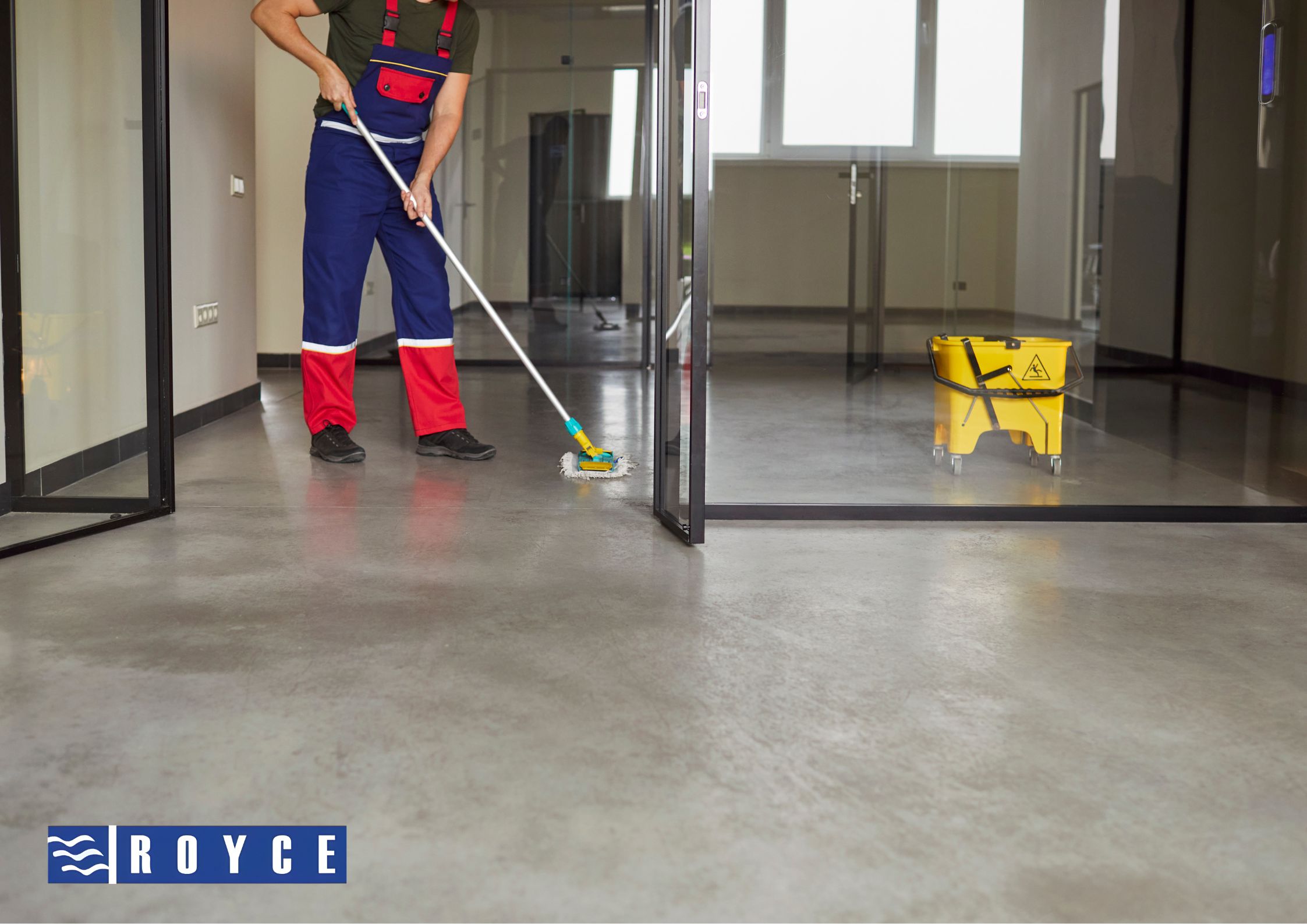
Whether you manage an office, a commercial building, or a retail space in Sydney, one of the biggest challenges is ensuring your cleaning tasks are done consistently and thoroughly. A clear, well-structured Scope of Work (SOW) makes this simple.
It gives your cleaning team a roadmap, sets quality expectations, and ensures your workplace always looks its best.
What Is a Cleaning Scope of Work?
Scope of Work (SOW) is a detailed document that outlines:
- What areas need to be cleaned
- How often each task should be performed
- What methods and products should be used
- Quality standards to be met
In commercial cleaning, an SOW eliminates confusion and ensures accountability — whether you’re managing an in-house team or outsourcing to professionals.
If you prefer to outsource, check out our Office Cleaning Services designed specifically for Sydney workplaces.
Step 1: Identify All Cleaning Areas
Begin by listing every area in your workplace that requires cleaning. Typical spaces include:
- Reception areas and lobbies
- Workstations and desks
- Kitchens and break rooms
- Meeting rooms and boardrooms
- Restrooms
- Hallways, stairs, and lifts
- Storage areas and server rooms
This list becomes the foundation of your SOW.
Pro Tip: Walk through your office with a notepad to ensure you don’t miss less obvious areas like vents, blinds, or carpets.
Step 2: Define Cleaning Frequencies
Not all cleaning tasks are equal. Some need to happen daily, others weekly, and some monthly or quarterly.
| Task | Frequency | Area |
| Desk and surface wipe | Daily | Workstations, meeting rooms |
| Vacuuming floors | Daily | Common areas, lobbies |
| Kitchen deep clean | Weekly | Kitchen & break rooms |
| Carpet steam clean | Quarterly | Whole office |
| Window cleaning | Quarterly | External & internal |
Need help with periodic carpet care? Explore our Office Carpet Cleaning services.
Step 3: Standardise Procedure
A successful SOW includes clear instructions for each task. Example:
- “Vacuum floors daily using HEPA-filter vacuums to remove allergens.”
- “Use hospital-grade disinfectant on all high-touch points.”
- “Ensure bins are emptied and liners replaced after each shift.”
When instructions are clear, your team will deliver consistent results.
Step 4: Set Quality Standards
To ensure accountability, specify expected outcomes, not just tasks:
- “Floors must be free of visible debris.”
- “Restrooms must have no lingering odours.”
- “Glass surfaces must be streak-free.”
Quality benchmarks make it easy to audit cleaning performance and maintain high standards.
Step 5: Include a Schedule and Responsibilities
Attach a calendar or timetable to the SOW, assigning tasks to specific team members or contractors. This eliminates guesswork and ensures nothing is overlooked.
Example structure:
- Daily: Vacuum, disinfect desks, empty bins
- Weekly: Deep clean kitchen, mop floors
- Monthly: Window cleaning, furniture polish
- Quarterly: Carpet steam clean, vent dusting
Consistency is key to long-term cleanliness.
Step 6: Build in Flexibility for Special Events
Offices host events, meetings, and seasonal activities. Your SOW should account for on-demand cleaning after:
- Company functions
- Client meetings or conferences
- Seasonal deep cleans
A flexible SOW adapts to real-world conditions while keeping your space clean and presentable.
Step 7: Review and Update Regularly
A cleaning scope isn’t “set and forget.” Revisit it every few months to:
- Adjust for new staff or floorplans
- Add or remove tasks
- Update frequencies based on usage
A living SOW keeps your cleaning plan aligned with your actual needs.
Simplify Your Scope with Professional Cleaning Support
Creating a Scope of Work is the first step. But executing it consistently is where many workplaces struggle. That’s where Royce Cleaning can help.
We provide:
- Regular Office Cleaning tailored to your SOW
- Carpet Cleaning for a polished, professional look
- Custom cleaning plans for Sydney offices of all sizes
Contact us to build and maintain a cleaning scope that works.
Tips for a Cleaning Scope Your Team Will Follow
- Keep the language simple and actionable.
- Use checklists — they’re easier to follow than long paragraphs.
- Provide the right tools and training.
- Recognise team performance to encourage consistency.
- Partner with a professional cleaning service to handle complex or high-frequency tasks.
A well-designed cleaning SOW isn’t just a document — it’s a system for lasting workplace hygiene.